

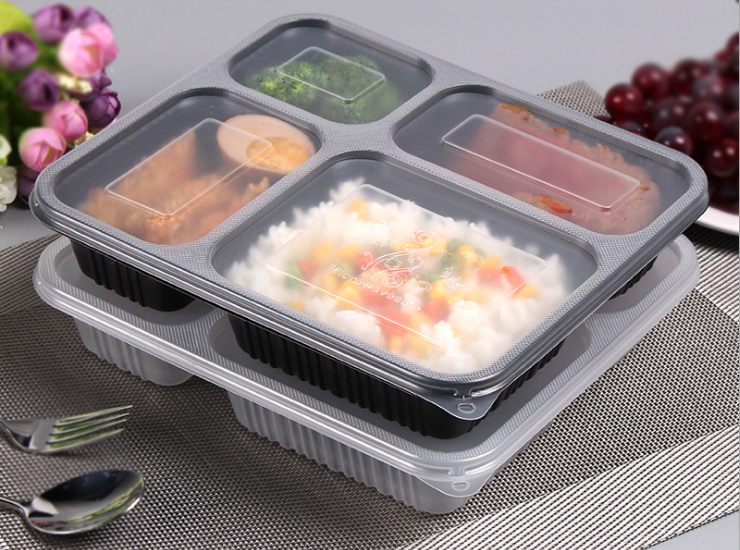
A Modern Legacy at Our Tables
Food plastic container, known as Bekas makanan plastic, have become part of the DNA of Malaysian households, present in every kitchen space from low-cost flats in Kepong right through to luxury bungalows in Damansara Heights. I still remember my childhood days, when my mother stored food in bowls covered with wire mesh food covers, or in heavy glass jars inherited from grandmother. Now, our kitchen cabinets are filled with stacks of plastic containers in various sizes and colours, arranged like children’s building blocks, each storing its own history. Yesterday’s sambal belacan, last Raya’s frozen rendang, unfinished kuih raya. These are chronicles of our daily lives, archives of appetites and memories stored neatly in plastic that is light yet powerful.
The Silent Revolution in Malay Kitchens
The transformation of Malaysian kitchens is a story rarely told. Bekas makanan plastik appeared gradually, first as luxury items, then as conveniences, and finally as necessities. There were no grand announcements, no street parades. It simply happened, like most important changes in our lives.
I observe how aunties at the morning market now bring their own plastic containers to buy fish and meat, replacing the thin plastic bags that once were standard. In offices, food containers have become a new status symbol. Those who bring food from home are seen as more conscientious, more organised, more responsible towards health and finances.
Choosing Wisely: A Guide for Ordinary People
However, not all containers are created equal. Amidst this diversity of choices, we need to be smart in selecting. This is about understanding what we buy and how it affects our lives.
Key considerations when choosing bekas makanan plastik:
- Look for the recycling code at the bottom of the container, the number in a small triangle that tells the story about the type of plastic used
- Polypropylene or PP (number 5) is the wisest choice for Malaysian families because it is heat-resistant and safe for hot food like rice and curry dishes
- The fork and spoon symbol indicates it is approved for food use, not just ordinary containers marketed as safe
- Tight-fitting lids are important in our tropical climate, where humidity and heat can spoil food quickly
- Container transparency allows us to see contents without needing to open, saving cold energy in the refrigerator
The Voice of Law: Protection from Putrajaya
Malaysia does not allow the market to move without control. The government, through various agencies, has established clear guidelines. The Food Act 1983 states firmly that every container used to store food must be made from materials that do not harm health.
The Ministry of Health Malaysia conducts regular inspections of bekas makanan plastik sold in the market. Laboratory tests are carried out to ensure no harmful substances such as heavy metals or toxic chemicals migrate into our food. But regulations are only effective to the extent they are enforced and to the extent we as consumers understand our rights.
Dangers Hiding Behind Convenience
I once stood in a friend’s kitchen, watching her heat curry in a plastic container that had already faded in colour, cracked at the edges. When I raised concern, her answer was simple: “I’ve used it for ages, it’s fine.” This is the mentality we need to change. Convenience should not come at the cost of health.
Worn-out plastic containers are like old cars still driven even though the brakes no longer function properly. Signs that containers are no longer safe include:
- Noticeable colour changes
- Rough or finely pitted surfaces
- Strong plastic odours
- Shapes that have changed or warped
When Bekas makanan plastik are heated, especially those containing oily or acidic food, chemical migration can occur. Molecules from the plastic transfer into the food. Substances like BPA and phthalates, even in small quantities, can accumulate in our bodies over time. Studies show links to various health problems, from hormonal disruption to cancer risks.
Daily Life with Plastic Containers: Best Practices
Using bekas makanan plastik safely requires a bit of attention and discipline. This is not rocket science, but it does require awareness.
Here are essential practices:
- Never heat food in containers not labelled as microwave-safe. Even if it appears sturdy, heat can trigger unwanted chemical reactions
- Transfer food to ceramic plates or glass containers before heating. Yes, it requires an extra step, but health does not come with shortcuts
- Wash containers gently using a soft sponge and soapy water. Rough brushes scratch the surface, creating places for bacteria to grow and accelerating plastic degradation
- Dry completely before closing or stacking again. Trapped moisture is an invitation to mould and bacteria
Beyond Plastic: A More Sustainable Future
I notice an interesting trend amongst young Malaysians. They are beginning to bring stainless steel or glass containers to offices, to eateries, to night markets. This is a deepening awareness about the impact of our choices on this planet.
Alternative options worth considering:
- Glass containers may be heavier, but they do not absorb food odours or colours
- Stainless steel is durable and can last a lifetime
- Food-grade silicone offers plastic’s flexibility without chemical concerns
These choices may require higher initial investment, but in the long run, they are more economical and more responsible.
Closing: Making Wise Choices
We live in an era of paradoxes. Modern conveniences come with their own costs, and we need to be wise in weighing practicality against safety. My journey exploring the world of food containers has opened my eyes to the complexity behind something we consider simple. Every time we open the kitchen cabinet and take out a container for tomorrow’s food, we are making a decision larger than merely storing rice. We are choosing family health, environmental futures, and the type of legacy we want to leave for our children and grandchildren. With knowledge and awareness, we can continue enjoying the conveniences offered by Bekas makanan plastik whilst protecting what is most important in our lives.


