
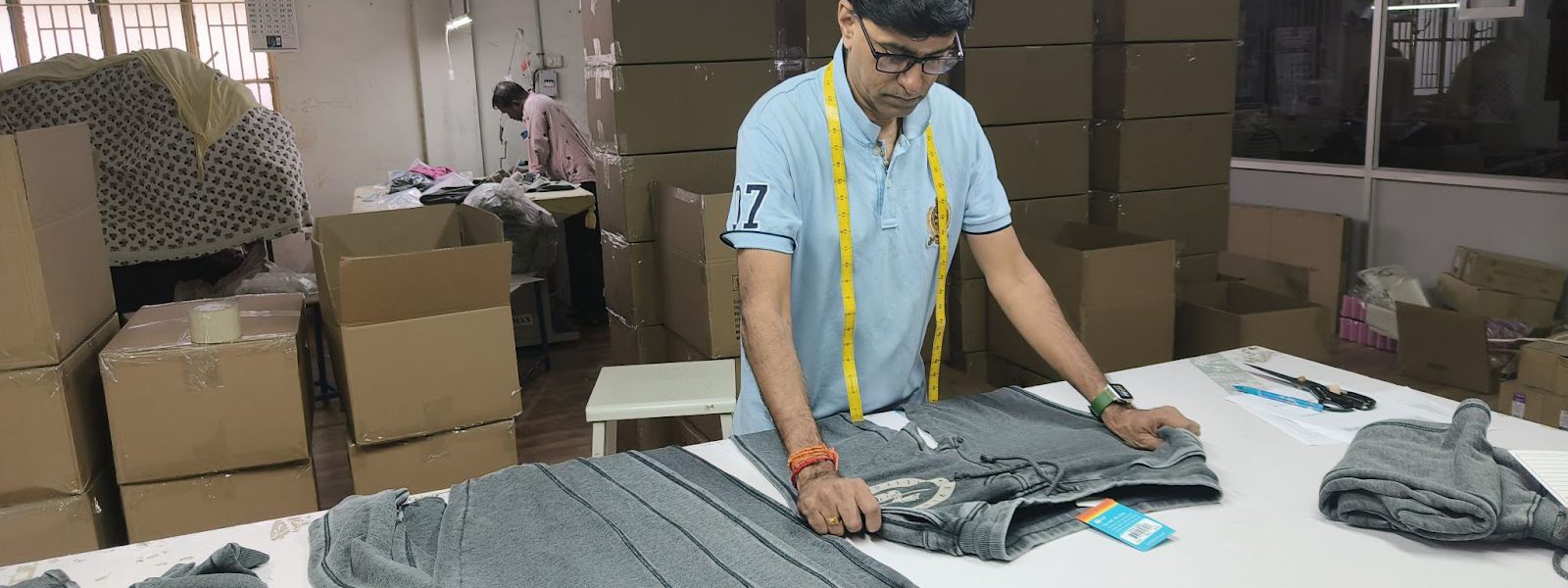
Third-Party Manufacturing Verification: Using Independent Inspection Systems to Control Global Supply Chain Risk

Global manufacturing networks are becoming more complex every year. Companies increasingly work with factories, contract manufacturers, component suppliers, and logistics partners located across different countries. This model offers flexibility and cost advantages, but it also creates a difficult question: how can a business verify that every supplier is actually meeting its quality and compliance requirements?
Independent verification provides an additional layer of control between manufacturers and buyers. Instead of relying entirely on supplier-provided information, businesses can use objective assessments, technical inspections, and documented evidence to understand what is happening inside production facilities. This approach can uncover risks before they become expensive supply chain problems.
Why Third-Party Manufacturing Verification Matters
Manufacturers may have their own quality systems, but buyers don’t always have direct visibility into how those systems operate. Production pressure, staff changes, equipment problems, or raw material substitutions can affect product quality without immediately appearing in routine documentation. Independent assessments provide an external view of these processes.
A reliable Inspection Company can evaluate manufacturing conditions, production controls, product specifications, documentation, and compliance requirements on behalf of the buyer. Because the assessment is performed independently, findings can provide a more objective picture of factory performance. This is particularly valuable when the buyer is working with overseas suppliers or cannot maintain a permanent quality team at every manufacturing location.
Key Elements of an Independent Verification Program
A strong verification program should examine more than the finished product. Quality problems can originate from purchasing, production planning, equipment maintenance, operator practices, storage conditions, or inadequate process controls. Looking at the entire manufacturing environment creates a more useful risk profile.
- Factory Capability Assessment: Reviews equipment, production capacity, technical resources, and manufacturing infrastructure.
- Process Verification: Examines whether critical production steps are performed according to approved procedures.
- Material Verification: Confirms that raw materials and components match approved specifications.
- Product Sampling: Uses defined sampling procedures to identify defects and variations in finished goods.
- Documentation Review: Checks production records, testing reports, certifications, and traceability information.
- Corrective Action Verification: Confirms that previously identified issues have been properly addressed.
- Shipment Readiness Checks: Determines whether finished products meet agreed requirements before dispatch.
These activities create multiple checkpoints throughout the manufacturing cycle. Instead of discovering a serious problem after a shipment reaches the warehouse, companies can identify weaknesses earlier and give suppliers an opportunity to correct them.
Using Risk-Based Verification to Prioritize Resources
Not every supplier presents the same level of risk. A manufacturer producing a simple, low-value component may require a different monitoring strategy than one producing safety-critical equipment. Risk-based verification allows businesses to allocate inspection resources according to supplier history, product complexity, regulatory requirements, and previous performance.
Supplier performance data can help determine inspection frequency. A factory with consistent results and few nonconformities may require routine monitoring, while a supplier with repeated defects may need more frequent inspections and detailed process evaluations. This approach improves efficiency without reducing oversight where it matters most.
Technology’s Role in Manufacturing Verification
Digital technology is changing how third-party verification is performed. Mobile inspection applications allow field inspectors to record measurements, photographs, observations, and nonconformities directly from the factory floor. Cloud platforms can then make this information available to quality managers and procurement teams almost immediately.
Data analytics adds another layer of intelligence. Businesses can compare suppliers, identify recurring defects, monitor corrective actions, and track quality trends over time. Digital records also improve traceability because inspection findings can be linked to purchase orders, production batches, products, or individual suppliers. That makes historical analysis much easier.
Common Challenges in Third-Party Verification
One major challenge is establishing consistent inspection criteria across different countries and facilities. A buyer may have detailed technical requirements, while the supplier may interpret those requirements differently. Clear specifications, measurable acceptance criteria, and standardized inspection procedures are therefore essential.
Another challenge is communication. Inspectors may need to explain technical findings to factory managers, procurement teams, engineers, and senior executives. If inspection reports are vague or overly complicated, important issues can be misunderstood. Effective reporting should clearly identify the problem, provide supporting evidence, explain its potential impact, and define the required corrective action.
How Independent Verification Reduces Supply Chain Risk
Independent verification can help businesses identify risks at several points in the manufacturing lifecycle. Early process assessments can reveal capability gaps, while production inspections can identify defects before large quantities are completed. Final verification can then provide an additional checkpoint before goods leave the factory.
This layered approach can reduce unexpected costs associated with rejected shipments, rework, production delays, customer complaints, and recalls. More importantly, it creates greater visibility between buyers and suppliers. When quality expectations are measured consistently and documented clearly, supplier relationships can become more transparent and accountable.
Conclusion
Third-party manufacturing verification is increasingly important for companies operating complex international supply chains. Independent assessments provide objective evidence about factory capabilities, production processes, product quality, documentation, and compliance. When these activities are supported by technology and risk-based planning, businesses can respond to quality problems faster and allocate resources more effectively.
Modern inspection companies can therefore serve as an important extension of a manufacturer’s quality management function. Their role goes beyond identifying defective products. By providing independent technical verification and structured reporting, they help businesses understand supplier performance, strengthen accountability, and reduce avoidable risks throughout the global manufacturing process.
